Protecting Your Equine Partner:
A Comprehensive Guide to Equine Vaccinations

As a horse owner, you know just how much your equine partner means to you. They provide you with endless joy and companionship, as well as a sense of fulfillment and purpose. That’s why it’s so important to take care of them in every way possible – including protecting them from disease. Equine vaccinations are crucial for maintaining your horse’s health and wellbeing, as well as preventing the spread of contagious diseases. In this article, we will review vaccines, and what you need to know about equine vaccinations, from why they’re important to which vaccines your horse needs and when.
Why Are Equine Vaccinations Important?
Equine vaccinations are key to keeping your horse healthy and protected against a range of diseases. Vaccines work by mimicking the disease-causing agent and stimulating your horse’s immune system to react and produce antibodies. These antibodies will then protect your horse from future infection if they are exposed to the real disease. By vaccinating your horse, you not only protect them but also help prevent the spread of disease to other horses in your community.
Which Vaccines Does Your Horse Need?
There are a variety of equine vaccines available, with different vaccines being recommended based on various factors, including the age, health status, and location of your horse, as well as their travel and lifestyle. Some of the most common vaccines include:
It’s important to work closely with White Equine to determine which vaccines are necessary and which timeline is optimal for your horse. In addition, it’s critical to keep your horse’s vaccinations up to date, particularly when it comes to core vaccines, which protect against the most significant and contagious diseases.
When Should Your Horse Be Vaccinated?
Some vaccines require a series of shots while some require only an annual boosters. The timing interval varies depending on the vaccine you are administering.
In general, regular vaccinations should begin when your horse is six months old, and boosters should be given annually or every three years, depending on the vaccine. Some vaccines, like rabies vaccine, are required annually. As your veterinary team, we will advise you accordingly.
As horse owners, it’s our responsibility to protect our equine partners with the right vaccinations to keep them healthy, happy, and in top performance condition. Keeping current with vaccinations and following proper protocol to disease prevention is just as essential as providing your horse with food and shelter. Consult with us to make sure you schedule well-timed vaccines in compliance with their requirements. With proper vaccinations, deworming, and other preventive healthcare measures, you can help keep your horse healthy and protected from the worst of equine diseases.exposed to the real disease. By vaccinating your horse, you not only protect them but also help prevent the spread of disease to other horses in your community.
Our Wellness Services
As a horse owner, you know just how much your equine partner means to you. That is why it is so important to take care of them in every way. This starts with wellness and prevention. At White Equine we know the importance of biannual wellness exams to maintain your horse’s health and wellbeing.
Wellness examinations and services may include but are not limited to:

Physical Examination
(Note: general condition, temperature, heart and lungs auscultation, ophthalmic examination, lumps and bumps – not intended as soundness or lameness evaluation).
Preventive Care Examinations
Preventive exams at White Equine encompass a comprehensive evaluation of your horse’s health status. A typical preventive exam includes a thorough physical examination, dental check-up, nutritional assessment, and routine blood work. These exams not only allow us to diagnose diseases at an early stage, but also offer an opportunity to discuss and implement preventive measures tailored to your horse’s specific needs. By scheduling regular preventive exams, you are taking an important step towards ensuring a long, healthy and productive life for your horse.
Coggins Testing
Coggins Testing forms a significant part of our preventive care regimen at White Equine. This test is a specific diagnostic tool designed to detect Equine Infectious Anemia (EIA), a potentially fatal viral disease in horses. EIA is incurable and can be transmitted via blood-feeding insects, making early detection crucial. A negative Coggins test result is typically required for travel and participation in equine events, ensuring that healthy horses are not inadvertently exposed to EIA. At White Equine, we recommend annual Coggins Testing for all horses, acting as a preventive measure to safeguard not only the health of individual horses but also the wider equine community.
Vaccinations
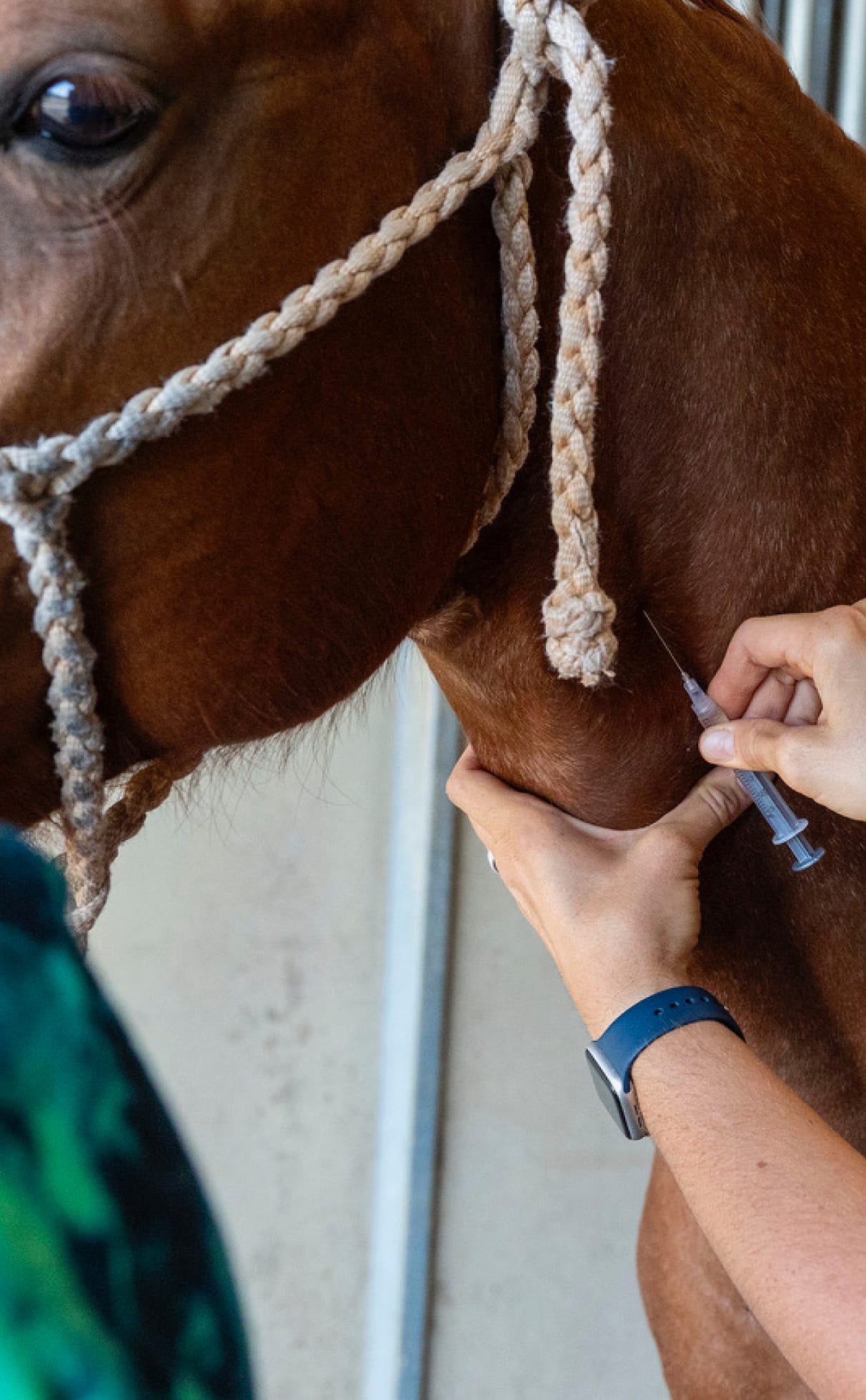
Vaccinations form an integral part of the preventive care regimen for horses. They play an essential role in safeguarding our horses against various infectious diseases. The following are equine diseases that can be prevented by vaccination:
- Influenza
- Equine Herpesvirus
- West Nile Virus
Vaccination against these illnesses is the most effective line of defense.
However, it’s important to note that not all horses require the same vaccines. The vaccination protocol for each horse should be customized based on numerous factors, including the horse’s age, overall health status, geographical location, and exposure risk level. A well-planned vaccination program, combined with regular wellness examinations, can significantly improve the health and longevity of horses.
Parasite Prevention
Integral to the overall health and well-being of horses is the strategic prevention of parasites. Parasites, such as worms, can severely affect a horse’s health causing weight loss, colic, and even death in severe infestations. We emphasize implementing a systematic deworming program, which involves regular fecal egg counts to monitor the parasite load and effectiveness of the deworming protocol. Our veterinarians devise individualized parasite control plans based on the age, lifestyle, and health condition of each horse, making use of targeted deworming strategies as opposed to traditional rotational deworming. This method not only maintains the health of your horse but also helps prevent the rise of drug-resistant parasite populations. Remember, a good parasite control plan is a cornerstone of preventive equine medicine.
Bloodwork
Routine bloodwork is an important part of maintaining your horse’s overall health. By analyzing blood samples, we can assess key indicators of organ function, detect signs of infections or inflammation, and monitor for any underlying health concerns that may not be immediately apparent. Regular bloodwork helps us catch potential issues early, allowing for prompt intervention and ensuring your horse stays at their best.
Fecal Egg Count
Parasites can have a significant impact on your horse’s health and performance. A fecal egg count involves testing a small stool sample to determine the presence and quantity of parasite eggs in your horse’s system. By identifying parasite burdens, we can create a targeted deworming plan that helps control internal parasites and supports your horse’s digestive health, boosting their overall well-being.
Dental Float
Dental care is important for your horse’s comfort and overall health. A dental float is a procedure in which we smooth and shape your horse’s teeth to prevent sharp edges, misalignments, and other dental issues that can interfere with eating, digestion, and performance. Regular dental floats ensure that your horse can eat comfortably, avoiding pain that could affect their ability to perform at their peak.
These services allow us to help you keep your horse free of disease and other issues. We understand that the needs of your equine companion and athlete will change over time when entering different life stages. Which is why we work with our clients to find the best wellness plan for each of their horses.
Veterinary Care, as Unique as Your Horse
At White Equine, our team of expert veterinarians is committed to providing comprehensive preventive care to our horses. We work closely with horse owners to devise a well-rounded wellness and vaccination plan tailor-made for their horse’s unique needs. Prevention is always better than cure, and at White Equine, we stand by this ethos.
Remember, healthy horses are happy horses – and at White Equine, their wellness is our top priority. Contact us today to schedule a wellness examination and discuss your horse’s vaccination needs. Let’s work together to keep our equine companions safe and healthy for a lifetime of happiness and companionship.